
 After some time off to focus on teaching at UCL, in the last couple of years I’ve been starting to write about neuromorphic engineering (and other topics related to intelligent machines) again. This started at the beginning of 2018 when I wrote a case study on photonics in neuromorphic systems for my book on reporting on emerging technologies. Last year I wrote a feature for Nature Electronics‘ delayed special issue on neuromorphic computing (now scheduled to come out this summer) and this year I’ve started writing for EETimes again. I commissioned a special project on the subject for them and have also started writing a regular column on Brains and Machines.
My passion for this subject is greater than ever, and I am working on a book on this subject. More as the work develops.
 I’m in the process of trying to write a book with Ralph Etienne-Cummings of Johns Hopkins University on neuromorphic engineering. Just at the point where I was supposed to be travelling to lots of conferences for research, Covid-19 happened. Papers are great, but getting the context for work directly from scientists and engineers is always a good way of getting started, so I looked for material to watch online (to create my own virtual conference).
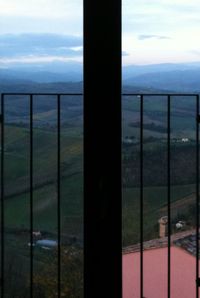 I attended the 3rd International Workshop on Optical SuperComputing in Bertinoro, Italy, back in November. I don’t get out so much these days, so I was pretty shocked when a total of 10 people showed up (or was it 11, you’d think I’d remember!) It’s a shame, because there is some interesting stuff going on in this field…
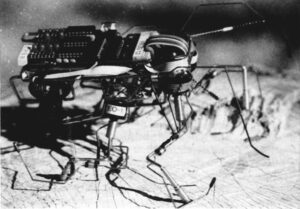 Mark Tilden changed my life. In about 1998 I started to become interested in analog computing for intelligence and came across a paper called Living Machines Mark wrote with Brosl Hasslacher a few years earlier. In it they talked about analog electronic creatures that were were very different to any other robots I had seen before. The ‘nervous networks’ that drove them were made of very few transistors, capacitors, and resistors—dozens rather than hundreds—and yet they, together, performed a rich, natural, and robust set of behaviors. The sun-seeking robots were even being used for interesting applications like satellite guidance and mine-clearing. It was a great